

Earlier this week, I got all nostalgic and reflected on the past 10 years of my life in the small and lovely world of writing about motorcycles. (I’ve actually been writing about motorcycles for 13 years, as of this month, but there isn’t a ‘2026 is the new 2013’ trend)
As I was digging through old photos and articles, I came across this piece: “Electric motorcycles have arrived. Have we?”
In it, I argued (not terribly effectively) that electric motorcycles were “there” from a technological standpoint and the only thing holding them back from widespread use was fuddy-duddy old motorcyclists.
Range, I argued, was realistically good enough if you considered how little the average motorcyclist actually rides on a given day. Not how much he/she wants to ride, or tells their friends they ride; how much they actually ride. Complementing that, I said, was a “viable” network of charge points.

A decade after I published that article, electric motorcycle ranges haven’t increased dramatically, but charge times have reduced and the charging-station network has grown exponentially.
“At the end of December 2025, there were 87,796 electric vehicle charging points across the UK, across 45,033 charging locations,” according to ZapMap.
By comparison, there are less than 8,400 petrol stations in His Majesty’s United Kingdom. It is easier to find a charging point than a petrol pump. Astride these numbers is the fact that more and more people are buying electric cars; the United Kingdom, for example, is BYD’s largest foreign market.
Yet, 10 years on, the situation doesn’t really appear to have changed for electric motorcycles. In some ways, it’s gotten worse. Roughly four years ago, I wrote an article lamenting the fact that the electric revolution appeared to be arriving not via psychotic, torque-monster, full-fat motorcycles but on the backs of kinda-boring scooters and electric bicycles.

Take a look at the scooters and e-bikes mentioned in that article, however, and you’ll note that some have since been discontinued. Whereas ‘big bike’ projects from Triumph and Ducati appear to have been shelved. LiveWire is basically dead. Zero is struggling so much that it’s moved to Europe in hopes of reaching the handful of customers that actually care.
A decade ago, the Great Electric Motorcycle Revolution felt like it was just around the corner. Today, confusingly, that corner feels farther away. What happened? Why haven’t EV motorcycles moved forward over the past decade?
To some extent, the answer is the same as it was when I wrote my article in 2016: fuddy-duddy old boys being fuddy-duddies. You may be aware that I often write for Visordown; it never ceases to amaze me how much vitriol that site receives when it publishes anything about electric motorcycles. There are a surprising number of people who seem to think that simply being in close proximity to an electric motorcycle will reduce their T levels to those of a 3-year-old girl.
This feeds into regressive political climates that have gained momentum in the last 10 years. MAGA-ism is the loudest of those movements but it certainly doesn’t exist in a vacuum. In the UK, Italy, France, the Netherlands, and on and on, you see political movements that have – for reasons I genuinely cannot understand – adopted a stance that hating the environment is good. The stated intent of EVs, that is, reducing carbon emissions, is seen as vampiric Wokeism.

But, also, whereas infrastructure has improved and adjacent road users (ie, car owners) have been more willing to adopt EVs, the business realities haven’t really changed.
“We’ve done the thinking on middleweight/midsize electric bikes and the economics just don’t work,” Royal Enfield Managing Director Siddharta Lal told me not too long ago.
He was explaining why the company’s Flying Flea electric brand probably won’t produce anything more powerful than the 125cc-equivalent C6 and S6 models. To deliver a two-wheeled EV that anyone is realistically going to buy, you have to think small, he said.
In that same conversation, Lal’s cohort, Royal Enfield CEO Govindarajan Balakrishnan (also known as BGR) explained that as motor power output increases, the costs not only become problematic but so too all of the aspects of owning a large EV motorcycle. Where do you store it? Outside of urban areas, how consistent and reliable are charging stations? And on and on. Some of that thinking is just pessimism, but I see where he’s coming from.
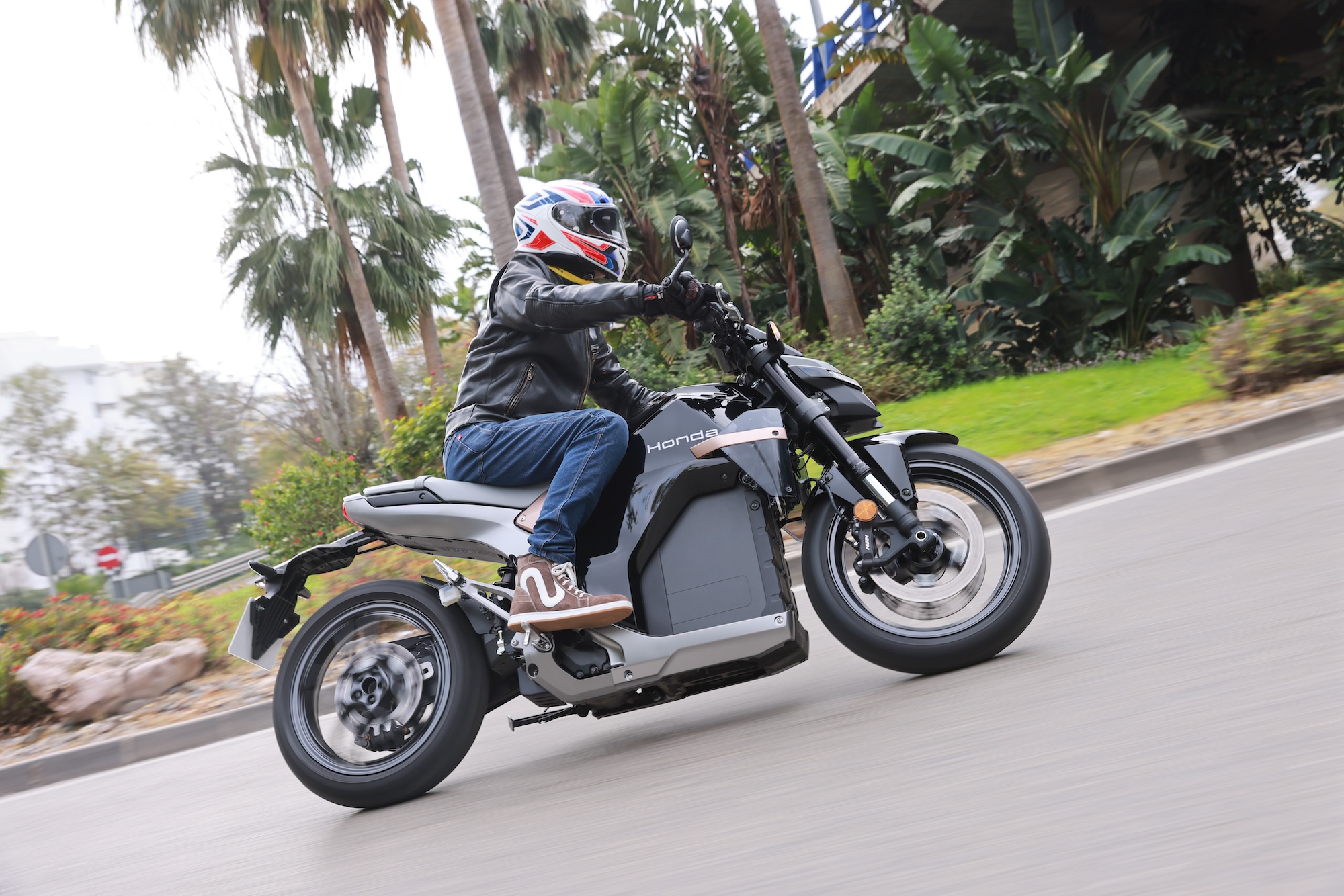
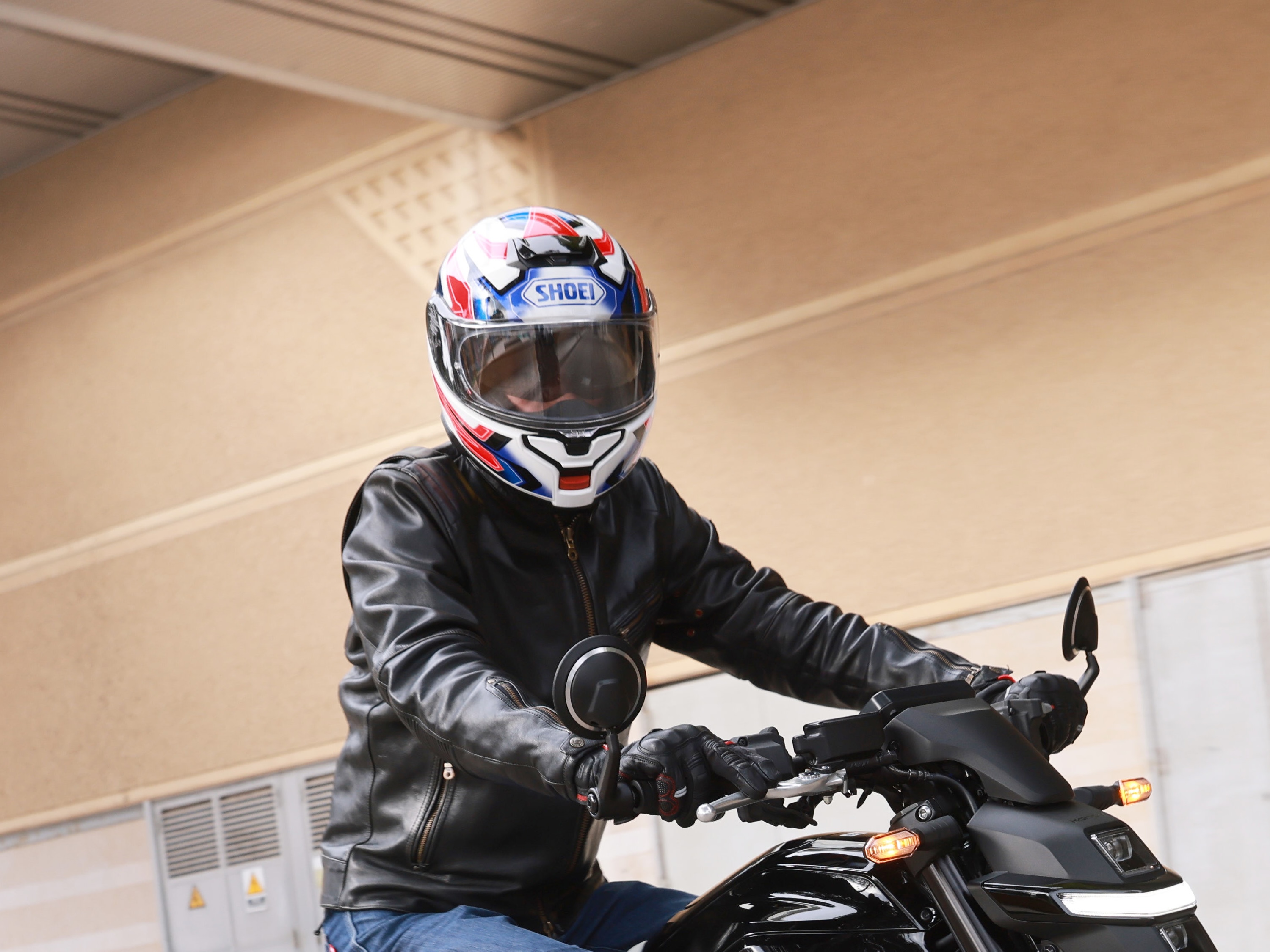
Honda has recently taken a bold step forward in offering the WN7 – a 66bhp-equivalent naked that was revealed late last year and is already available for purchase (£12,999). But all the other major manufacturers are keeping their powder dry. Even Chinese brands.
It’s not all bad
In a recent article in Visordown, the site’s editor, Toad Hancocks, observed that there is one bright spot for EV motorcycles: off-road bikes.
“Stark Future, the makers of the Varg and Varg EX, just posted record end of year results, reaching €115 million (around £100 million) in revenue in 2025,” he points out.
For what it’s worth, Stark’s CEO Anton Wass, told MCN last summer that his company is “working very hard” on developing a road bike.

“I am convinced that we can build street bikes that are significantly better than the gas bikes in all the main categories – and in fact, we are doing that,” he told the newspaper.
But, you know, they haven’t done it yet.
One can see how/why electric bikes would have greater success in the off-road arena than on. By their nature, the bikes don’t have the costly bling and features that on-road riders expect. Additionally, most off-road-only riders are used to transporting their bikes, meaning range isn’t as much of an issue – especially if you carry a generator in the back of your van.
Additionally, electric bikes remove the primary thing that people complain about with off-road motorcycles: noise. The majority of people don’t care what off-roaders get up to when they can’t be heard.

On road, meanwhile, there is, at least, the WN7, which is surprisingly affordable compared to electric motorcycles of 10 years ago. And there’s the small stuff. Royal Enfield may have ruled out bringing its electric Himalayan to production for now, but it’s going all in on the Flying Flea sub-brand. Other brands have their electric scooters.
My prediction 10 years ago that the future is electric probably still holds true. But that future’s much farther away than I thought.



Leave a Reply